- All
- Product Name
- Product Keyword
- Product Model
- Product Summary
- Product Description
- Multi Field Search

Views: 0 Author: Site Editor Publish Time: 2025-12-30 Origin: Site


Cold extrusion and drawing dies are essential tools in modern manufacturing, playing a pivotal role in shaping materials without the need for heat. These processes are highly valued for their precision, efficiency, and ability to produce high-quality components. In this article, we will explore the fundamentals of cold extrusion and drawing dies, highlighting their processes, key applications, and the benefits they bring to various industries.
Cold extrusion is a manufacturing process where a material, typically metal, is forced through a die at room temperature to create objects with a fixed cross-sectional shape. Unlike hot extrusion, which uses heat to make the material more pliable, cold extrusion takes advantage of the material’s inherent strength and elasticity at lower temperatures. This process improves the mechanical properties of the material, such as its tensile strength and hardness, making it ideal for producing parts that need to withstand high stress.
Key Benefits of Cold Extrusion:
● Improved Mechanical Properties: Cold extrusion enhances the strength and hardness of materials, making them more durable.
● Energy Efficiency: Since the process is carried out at room temperature, there is less energy consumption compared to hot extrusion.
● Minimal Waste: The precision of cold extrusion minimizes material waste, making it a cost-effective solution.
A drawing die is used in the drawing process, where a material—typically metal—is pulled through a die to reduce its cross-sectional area, elongating it in the process. This technique is primarily used for producing wire, tube, and sheet metal products. The primary difference between cold extrusion and drawing lies in how the material is deformed: extrusion compresses the material, while drawing stretches it.
How the Drawing Process Works:
● The material is pulled through a die, reducing its diameter and lengthening it.
● The process can be performed in stages, gradually reducing the material’s size.
● Drawing is highly effective for materials that require tight tolerances and smooth surface finishes.
Common Applications of Drawing Dies:
● Wire Manufacturing: Drawing dies are used to produce wires of different gauges for various industries.
● Tube Manufacturing: Cold drawing is essential for producing precision tubes with tight tolerances.
Dies are indispensable tools in both cold extrusion and drawing processes. They act as the mold or shaping tool through which the material is processed. Dies ensure that the material is formed into its final shape with precision, meeting the exact specifications required for each component.
Key Functions of Dies:
1. Shaping Material: Dies shape the material into specific profiles, whether in extrusion or drawing.
2. Ensuring Precision: High-quality dies are designed to create parts with minimal variation in dimensions, ensuring consistency across batches.
3. Improving Efficiency: Properly designed dies allow for faster production cycles and reduced material waste.
Die Type | Process | Common Uses |
Extrusion Dies | Material is forced through a die to form specific shapes | Automotive, aerospace, construction parts |
Drawing Dies | Material is pulled through a die to reduce its cross-section | Wire, tube, and sheet metal production |
Cold extrusion is a highly efficient process that involves several key stages. It begins with feeding the material, typically metal, into an extrusion press. The material is then compressed by a ram, applying pressure to force it through a die. The die shapes the material into a specific cross-sectional shape, which is essential for meeting precise engineering requirements. After the material is extruded, it is ejected from the die, cooled, and cut to the required length.
The entire process is designed to minimize material waste while ensuring the final product has the correct properties. Cold extrusion can accommodate various metals and alloys, making it a versatile process for producing a wide range of parts. The application of controlled pressure in the cold extrusion process ensures that the material retains its mechanical properties, such as strength and hardness, without the need for heating.
Cold extrusion offers numerous advantages over traditional manufacturing methods. One of the key benefits is material efficiency. Since cold extrusion minimizes the amount of material waste, it is an environmentally friendly and cost-effective option. The process is also highly effective in creating complex shapes, which would otherwise require secondary machining. This ability to form intricate components without additional steps significantly lowers production costs.
Another important benefit of cold extrusion is improved material strength. The process enhances the material's tensile strength and hardness, making it ideal for high-performance applications, such as automotive and aerospace components. Cold extrusion allows manufacturers to create parts with tight tolerances, high precision, and high mechanical strength, all while reducing the number of resources needed.
Cold extrusion is also time-efficient. The process typically takes less time than alternative methods such as casting or machining, contributing to faster production cycles. Furthermore, the need for less post-production processing increases overall efficiency, which is particularly beneficial for high-volume manufacturing.
Cold extrusion is commonly used in a variety of industries due to its efficiency and ability to produce high-quality parts. Some key applications include:
● Automotive Industry: Cold extrusion is widely used in the production of engine components, transmission parts, and structural elements. The process’s ability to create parts with high strength and precise dimensions makes it ideal for the automotive sector.
● Aerospace Industry: Components used in the aerospace industry, such as shafts, housings, and structural parts, benefit from the superior strength and durability created by cold extrusion.
● Construction Industry: Cold extrusion is used to produce metal profiles, rods, and structural components, which are essential in building materials and construction equipment.
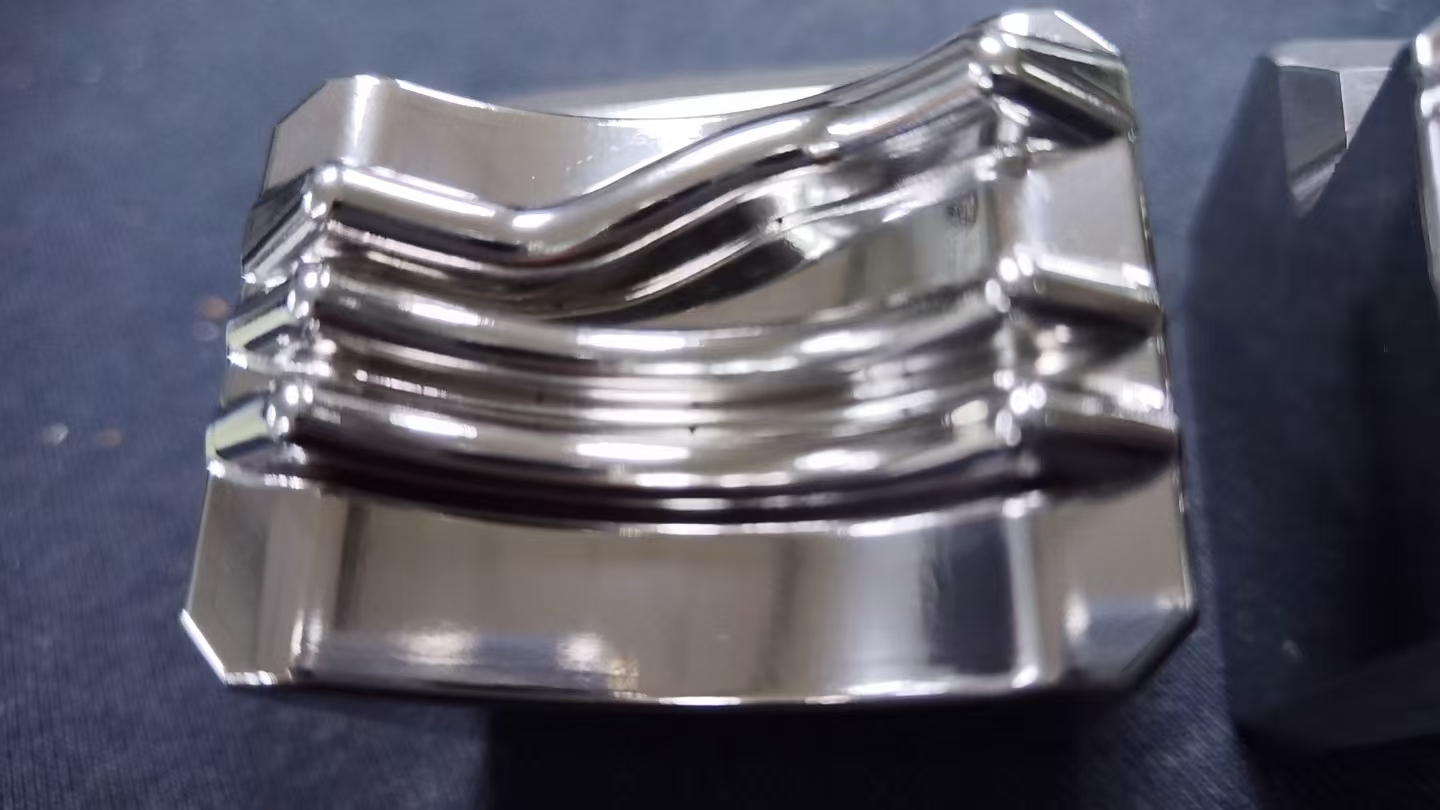
The drawing process involves pulling material, typically metal, through a die to reduce its cross-sectional area while elongating its length. The material is stretched and elongated as it passes through the die, transforming it into a thinner and longer shape. This process is widely used in the production of wire, tubes, rods, and other components that require a precise dimensional reduction.
There are various types of drawing processes, including single-pass drawing, where the material is drawn through the die once, and multi-pass drawing, where the material undergoes multiple passes through progressively smaller dies. The drawing process is particularly useful when a high degree of control over material thickness, surface finish, and length is required.
Drawing dies provide several benefits, including improved surface quality and precise dimensional control. The controlled tension applied during the drawing process results in uniformity in the material's thickness and surface finish. This is crucial in industries where high-quality finishes and consistent dimensions are essential, such as in the production of medical components, electrical cables, and precision parts.
Additionally, drawing increases material strength by aligning the grain structure, improving the tensile strength and fatigue resistance of the drawn material. The drawing process can also help in producing long products, such as rods, wires, and tubes, that require high elongation and smooth surfaces. These benefits make drawing dies an indispensable tool in industries that demand high precision and product quality.
Drawing dies are widely used in various industries, particularly those that require high-precision wire, tube, and sheet metal products. Here are some common applications:
● Wire and Cable Manufacturing: Drawing dies are used extensively in the wire and cable industry, where they shape and elongate materials to produce wires of various gauges. The precision achieved in the drawing process ensures that the wires meet strict industry standards.
● Tube and Pipe Production: In industries that require thin-walled pipes and tubes, drawing dies are used to create long, uniform products. The tubes are often used in industries like oil and gas, aerospace, and medical devices, where durability and precision are paramount.
● Sheet Metal and Structural Components: Drawing is also used to produce sheet metal products and structural components used in automotive, aerospace, and construction industries. Drawing dies help achieve the thin, uniform material required for these applications.
The versatility of drawing dies makes them essential in the manufacturing of high-precision components across a wide range of sectors, ensuring both performance and quality.
Cold extrusion and drawing minimize material wastage and reduce manufacturing costs. The ability to produce complex shapes with minimal material loss makes these processes highly cost-effective compared to traditional manufacturing methods.
Both cold extrusion and drawing processes enhance the strength and durability of materials. By compressing and stretching the material, these processes improve its mechanical properties, making it more resistant to wear and tear.
One of the key benefits of cold extrusion and drawing is their ability to produce parts with high precision and superior surface quality. These processes reduce the need for additional finishing operations, such as grinding or polishing.
Compared to methods like forging, casting, or machining, cold extrusion and drawing offer advantages in terms of material efficiency, precision, and cost-effectiveness. These processes are ideal for producing high-strength, high-quality components with minimal waste.
Cold extrusion and drawing dies play a crucial role in manufacturing automotive parts, such as engine components, structural elements, and fasteners. These processes are ideal for producing parts that need to meet strict performance standards.
In the aerospace industry, cold extrusion and drawing are used to produce high-performance components, such as structural parts, fasteners, and fuel lines. The precision and strength of parts made through these processes are critical for ensuring safety and reliability in aerospace applications.
Cold extrusion and drawing are also used in the production of electrical connectors, wires, and other components. These processes help create precise and durable parts that meet the demands of modern electronic devices.
These processes are also used in industries such as medical devices, construction, and consumer goods. Cold extrusion and drawing provide solutions for producing high-precision, high-strength components in a variety of fields.
Selecting the right die material is crucial for ensuring the longevity and performance of the dies. Common materials used for cold extrusion and drawing dies include tool steel, carbide, and high-speed steel. The choice of material depends on the specific requirements of the application.
Die design plays a significant role in the success of cold extrusion and drawing processes. Factors such as geometry, wear resistance, and heat treatment are crucial to ensuring that the dies perform optimally over time.
Proper maintenance is key to extending the lifespan of cold extrusion and drawing dies. Regular inspections, cleaning, and lubrication help prevent premature wear and ensure that the dies continue to perform at their best.
Cold extrusion and drawing dies are integral components in modern manufacturing, offering benefits such as material efficiency, enhanced strength, and precision. Understanding these processes allows manufacturers to make informed decisions, improving product quality while reducing costs. As industries evolve, cold extrusion and drawing dies will continue to be essential for producing high-performance components. Kunshan Yuntai Precision Mold Co., Ltd. provides high-quality dies that enhance production efficiency and product durability, offering significant value to manufacturers seeking reliable and precise solutions.
A: A cold extrusion and drawing die is used in manufacturing to shape and form materials without heat, improving strength and precision.
A: Cold extrusion compresses material through a die, while drawing dies pull the material through to reduce its cross-section.
A: Cold extrusion and drawing dies are commonly used in industries like automotive, aerospace, and electronics for creating high-strength, precise components.
A: These dies enhance material efficiency, precision, and durability, reducing costs and improving the performance of final products.
A: They provide material efficiency, high precision, improved strength, and cost savings compared to other manufacturing processes.
A: Yes, cold extrusion and drawing dies are widely used in wire production, offering precise control over dimensions and surface quality.