- All
- Product Name
- Product Keyword
- Product Model
- Product Summary
- Product Description
- Multi Field Search

Views: 0 Author: Site Editor Publish Time: 2026-01-01 Origin: Site


Cold extrusion and drawing dies are essential for efficient, high-quality metal forming. The material selected for these dies directly impacts their durability, performance, and service life. High-quality materials ensure that dies can endure the high pressure and repeated stresses they face, minimizing downtime and reducing wear.
In this article, we will explore how material selection affects the service life of cold extrusion and drawing dies. We will discuss the importance of choosing the right material, common material types, and how material properties influence die longevity and performance.
Material selection plays a fundamental role in the lifespan of cold extrusion and drawing dies. These dies are subjected to extreme pressures, thermal stresses, and wear during the forming process. Without proper material selection, dies can suffer from premature wear, failure, or degradation, leading to costly downtime and decreased production efficiency.
For cold extrusion and drawing dies, the right material should offer:
High hardness to resist deformation under high-pressure conditions.
Wear resistance to combat abrasion and prevent surface degradation during the forming process.
Toughness to withstand impact and prevent brittle fractures.
By selecting the right material, manufacturers can optimize the performance and service life of dies, ensuring consistent quality and reduced maintenance costs.
The ideal materials for cold extrusion and drawing dies must exhibit certain properties to withstand the harsh conditions of the forming process. These properties include:
● Hardness: Hardness is a measure of a material’s ability to resist deformation, particularly under compressive forces. High hardness ensures that the die maintains its shape even under the extreme pressures exerted during extrusion and drawing.
● Wear Resistance: Dies experience abrasive wear as metal pieces slide against their surfaces. Materials with high wear resistance, such as tool steels and high-speed steels, help maintain the precision of the die over time, ensuring high-quality product output.
● Toughness: Toughness is the material’s ability to absorb energy without fracturing. Dies need to absorb repeated impacts during use, and toughness is vital in preventing cracks or failures that could lead to downtime or production stoppages.
● Fatigue Resistance: Dies undergo dynamic stresses during their use, especially in high-volume production runs. Material fatigue resistance ensures that the die can handle repeated stress cycles without cracking or failing prematurely.
The material's composition, including its purity and microstructure, directly affects its overall performance. Impurities in the material can lead to defects such as cracks, voids, or weak spots, which can significantly reduce the die’s lifespan. High-quality materials, such as tool steels and high-speed steels, are engineered to be free from such impurities, enhancing their ability to withstand the stresses of cold extrusion and drawing.
Another factor that affects material quality is its ability to maintain dimensional accuracy over time. As dies are used, they can experience dimensional changes due to wear, deformation, or thermal cycling. The material should exhibit high stability to maintain precise shapes, ensuring that products meet the required tolerances.
High-speed steels are widely used for cold extrusion dies due to their exceptional wear resistance and ability to maintain hardness at high temperatures. These steels, such as M2, M4, and T15, are specifically designed to withstand the high-speed and high-temperature conditions of cold extrusion, which often leads to heat buildup during the process.
Key Benefits of High-Speed Steels for Cold Extrusion:
Wear Resistance: These steels are highly resistant to abrasive wear, ensuring longevity even under intense friction.
Compressive Strength: They can withstand high compressive forces without undergoing deformation, making them ideal for cold extrusion processes where substantial pressure is applied.
Heat Resistance: High-speed steels retain their hardness and strength even when exposed to elevated temperatures, making them suitable for high-speed, high-pressure applications.
Examples:
M2 Steel: This is one of the most commonly used high-speed steels in cold extrusion punches. It maintains excellent wear resistance and compressive strength, even under extreme conditions.
M4 Steel: Used for applications requiring higher wear resistance. M4 offers a superior balance between toughness and wear resistance.
T15 Steel: Known for its exceptional wear resistance, T15 steel is ideal for precision dies that operate under minimal lateral forces but experience severe wear.
Cold work tool steels, such as D2, A2, and O1, are commonly used for drawing dies. These steels are known for their hardness and wear resistance, making them suitable for the demands of wire, tube, and sheet metal drawing.
Key Benefits of Cold Work Tool Steels:
Wear Resistance: Cold work tool steels like D2 offer exceptional wear resistance, making them ideal for high-volume drawing applications.
Toughness: Cold work tool steels like A2 strike a balance between toughness and wear resistance, providing the impact resistance required for drawing processes.
Examples:
D2 Steel: D2 is a high-carbon, high-chromium steel with excellent wear resistance, commonly used in long-life, high-volume production dies.
A2 Steel: A2 offers a balance between wear resistance and toughness, making it suitable for more demanding applications where impact resistance is crucial.
O1 Steel: A cost-effective solution for small-batch drawing dies, offering high toughness, but with slightly lower wear resistance compared to D2 and A2.
Hot work tool steels, such as H11 and H13, are used in cold extrusion and drawing dies for applications where extreme pressure and high temperatures are involved. These materials are designed to maintain toughness under high-impact and thermal stress conditions.
Key Benefits of Hot Work Tool Steels:
Toughness: H11 and H13 steels are specifically designed to absorb high-impact energy and prevent catastrophic failure.
Resistance to Cracking: These steels offer improved resistance to cracking in high-stress environments, particularly when dealing with tough materials or extreme operating conditions.
Examples:
H11 Steel: Known for its high toughness and excellent impact resistance, H11 steel is used for manufacturing shrink rings and die frames.
H13 Steel: H13 offers high toughness and ductility, making it suitable for applications that require resistance to high burst stresses.
Compressive strength plays a vital role in preventing die deformation under extreme pressures. Cold extrusion and drawing dies must withstand immense forces to push or pull metal through their die cavities. Materials with high compressive strength ensure the die maintains its integrity and performance over time, even under peak pressures.
Example:
High-speed steels like M2 exhibit excellent compressive strength, making them ideal for cold extrusion applications that require resistance to deformation under pressure.
Wear resistance is one of the most important factors in die longevity. Cold extrusion and drawing dies undergo constant friction, leading to wear over time. The better the wear resistance, the longer the die will perform without requiring replacement. Material selection directly affects the frequency of die replacements, as more resistant materials lead to fewer replacements and less downtime.
Example:
Cold work tool steels like D2 are widely used due to their excellent wear resistance properties, ensuring longer die life in high-volume applications.
Toughness is crucial in preventing die failure under dynamic conditions. Cold extrusion and drawing dies are subject to repeated stresses, which can lead to fatigue failure if the material is not tough enough. Choosing materials with high toughness and fatigue resistance ensures that dies can withstand repeated cycles without cracking or breaking.
Example:
A2 steel offers a good balance of toughness and wear resistance, making it ideal for applications that require resistance to dynamic stresses, such as wire drawing.
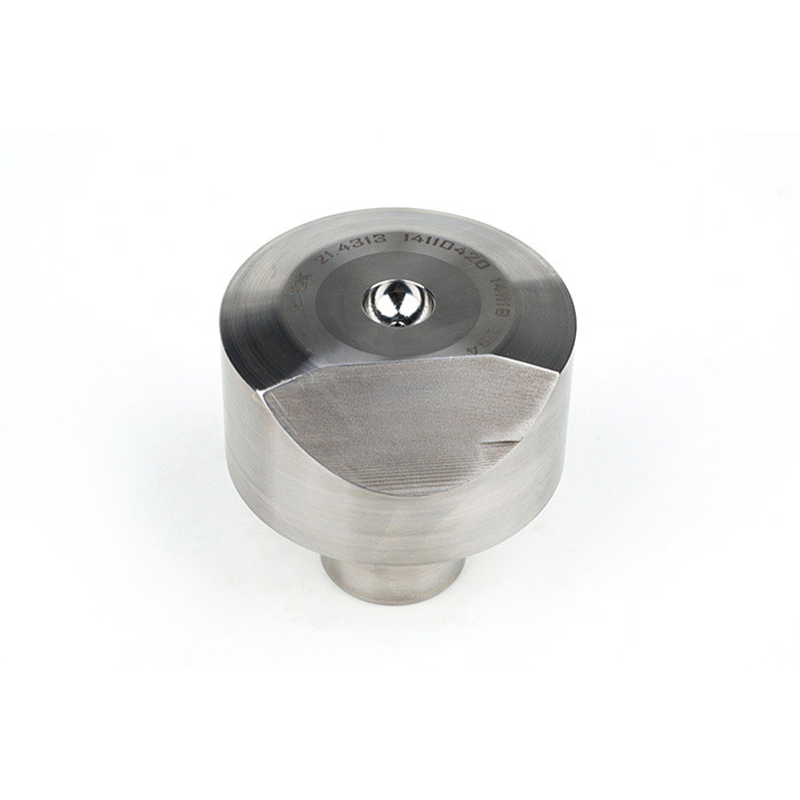
When selecting materials for cold extrusion and drawing dies, it is essential to consider several factors, including hardness, wear resistance, toughness, and thermal properties. The trade-off between hardness and toughness must be carefully evaluated to ensure the die performs optimally for its intended application.
For a cold extrusion die used in the automotive industry, material selection must account for high wear resistance due to the harsh conditions faced during the extrusion of high-strength steel. In this case, high-speed steel (M2) would be an ideal choice for the punches due to its superior wear resistance and compressive strength.
Material selection for high-volume production differs from that for prototype dies. High-volume production requires materials that can endure long production runs with minimal wear and tear, while prototype dies may be made from more cost-effective materials with slightly lower durability. The selection depends on production needs and cost constraints.
Choosing the right material can significantly reduce the maintenance needs of cold extrusion and drawing dies. Materials that offer higher wear resistance, toughness, and compressive strength reduce the frequency of repairs and replacements, ensuring smoother production cycles and minimizing downtime.
Strategically selecting materials for their wear resistance, toughness, and fatigue resistance helps prevent common die failures, such as cracking, galling, and excessive wear. This approach leads to more consistent production and fewer disruptions.
Material selection plays a crucial role in the service life of cold extrusion and drawing dies. The right material ensures optimal performance, reduces downtime, and minimizes maintenance costs. Key factors such as hardness, wear resistance, and toughness should guide the selection process for long-lasting, high-quality die performance.
Kunshan Yuntai Precision Mold Co., Ltd. offers high-quality cold extrusion and drawing dies, providing exceptional durability and performance. Their expertise in material selection helps manufacturers extend die longevity and improve operational efficiency.
A: Material properties like hardness, wear resistance, and toughness directly affect the service life of cold extrusion and drawing dies.
A: Choosing the right material ensures durability, performance, and reduced wear, extending the life of cold extrusion and drawing dies.
A: High-speed steels and cold work tool steels like D2 and M2 are ideal for cold extrusion and drawing dies, offering exceptional wear resistance.
A: Material hardness helps prevent deformation under pressure, enhancing the performance and lifespan of cold extrusion and drawing dies.
A: Yes, selecting high-quality materials like M2 or D2 steel can reduce maintenance costs by increasing die durability and wear resistance.
A: Toughness and fatigue resistance are crucial for preventing cracks and failures, helping to extend the service life of cold extrusion and drawing dies.